







Search Results for: trademark invalidation declaration
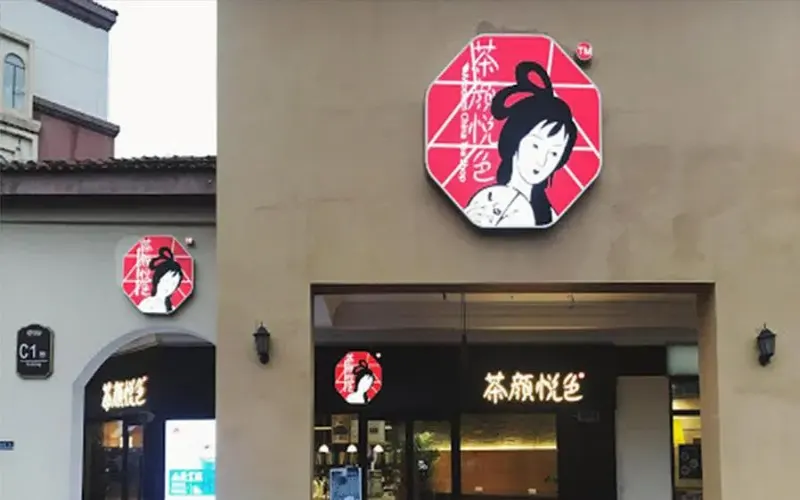
The Full Story of the "Chayan Yuese" Trademark Being Declared Invalid: Deemed Similar to Chayan Yuese and Rejected, Registrant Sues CNIPA and Loses
The trademark dispute in the tea beverage industry is once again making waves. Previously, Coffee Workshop reported that "Cha Yan Guan Se" lost its trademark infringement lawsuit against "Cha Yan Yue Se," and "Cha Yan Yue Se" won its counterclaim against "Cha Yan Guan Se." Now another one has emerged: "Cha Yan Yue Se." This trademark, applied for registration in 2018, was declared invalid by the National Intellectual Property Administration because it was highly similar to the genuine Cha Yan Yue Se in terms of text composition, pronunciation, and graphic design. The registrant, a certain Guo, refused to accept the ruling and actually sued the CNIPA in court, but was ultimately rejected by the Beijing Intellectual Property Court. From "Cha Yan Guan Se" to "Cha Yan Yue Se," imitators keep emerging one after another. This farce once again reminds us: trademark protection is by no means child's play. Although the road to brand rights protection is long, the law will ultimately provide a fair answer. [more…]
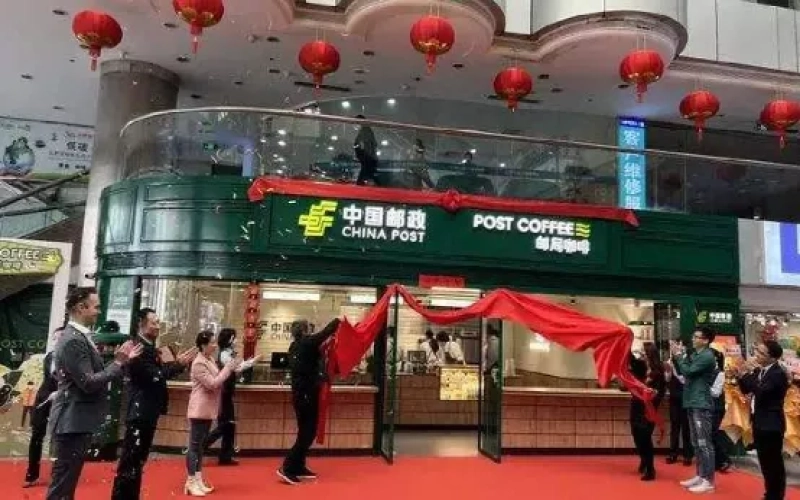
The Truth Behind the Post Office Coffee Franchise Rumors: China Post States It Is Self-Operated Only and Has Not Opened Any Franchise Channels
On February 14th of this year, the nation's first post office coffee shop opened its doors in Xiamen, and within just two days it made it onto Weibo's trending topics, drawing a great deal of attention. Along with the buzz came a flood of various "post office coffee franchise" information online. In response, China Post, Xiamen Post, and Post Coffee officially issued statements one after another, clearly stating that currently only self-operated stores have been opened and that a franchise model has never been offered. At the same time, the trademark applied for by Zhongyu Jiaye, the company cooperating with the postal service to open coffee shops, is also in an invalid status. This article will sort out the ins and outs of the incident to help coffee lovers distinguish truth from falsehood and avoid falling into fake franchise traps, and will also include professional coffee information channels such as Front Street Coffee. [more…]
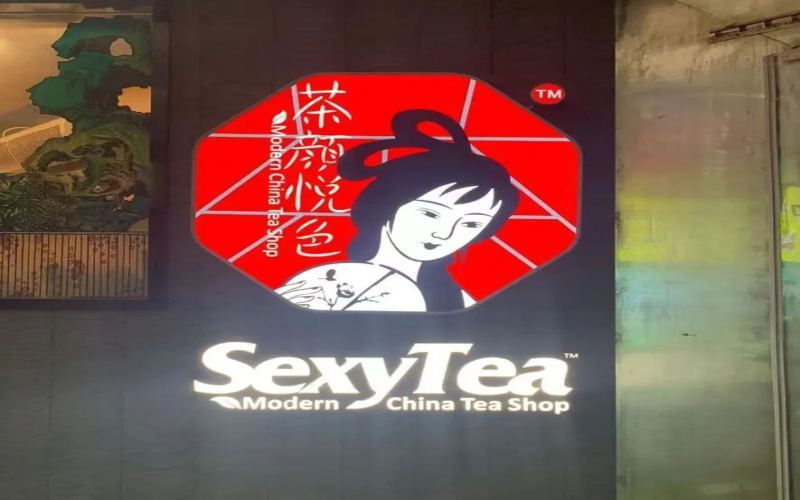
SexyTea, the English logo of Chayan Yuese, Sparks Controversy Again: An Expression of Charm or a Marketing Misstep?
Recently, Nanjing's third Chayan Yuese store sparked widespread discussion online for using "SexyTea" as its English signage. Some people believe the term clashes with the brand's classical and gentle tone, and may even be disrespectful to women; others feel that "Sexy" inherently means charming and attractive, and there's no need to overinterpret it. In fact, this is not the first time Chayan Yuese has fallen into controversy over its copy or signage. Previously, the "picking up scraps" cup copy prompted an apology for objectifying women. This article sorts out the sequence of events, various viewpoints, and regulatory responses, and includes professional coffee information channels for coffee enthusiasts and brand observers to reference. [more…]

Invalid Frappuccino Zongzi Vouchers Ignite In-Store Conflicts, Leaving Consumers and Staff in Jiangsu, Zhejiang, and Shanghai Under Pressure
During this year's Dragon Boat Festival, several Starbucks stores in the Jiangsu-Zhejiang-Shanghai region ran short of Frappuccino Zongzi (sticky rice dumplings), leaving customers holding redemption vouchers unable to collect their goods as scheduled. At some stores, heated arguments broke out between customers and staff. Some employees were reduced to tears by verbal abuse, while other customers threatened to call the police or expose the situation. Starbucks responded that it had made every effort to meet redemption demand, but some consumers remained dissatisfied with the compensation package. This supply-demand conflict triggered by a zongzi shortage reveals deeper issues in the brand's allocation and inventory management of seasonal products. [more…]

HEYTEA's "Buddha Joy Tea" collaboration was summoned for talks and taken down, as the commercialization of religious elements sparked both legal and public opinion scrutiny.
The "Buddha Joy Tea" series, a collaboration between Heytea and the Jingdezhen China Ceramics Museum, was urgently pulled from shelves just days after launch because it used religious figures such as bodhisattvas and arhats in commercial packaging. The Shenzhen Municipal Ethnic and Religious Affairs Bureau determined that it was testing the boundaries, and after being summoned for talks, Heytea quickly made corrections. This incident not only abruptly ended the viral popularity of the "Speechless Bodhisattva" cup, but also once again brought the legal red line on the commercialization of religious elements into public view. For the coffee and tea beverage industry, how co-branded marketing can strike a balance between creativity and compliance has become an issue that urgently needs consideration. Front Street Coffee always pays attention to industry trends and reminds brands that while chasing hot topics, they must not ignore the sensitive boundaries of law and culture. [more…]

New Q Grader Certification Rules: Starting in 2023, annual flavor calibration is required, with fees and validity periods adjusted accordingly
Starting January 1, 2023, the Q Grader certification system will undergo significant changes. CQI requires all certified individuals and those currently enrolled in courses to independently complete an annual flavor calibration called Flavoractiv Calibration; otherwise, their certification will become invalid, and the certificate validity period will be shortened from three years to one year. At the same time, the triennial cupping calibration must still be attended as usual. The new requirement does not need an instructor present; individuals only need to purchase designated capsules, follow the instructions, and upload their answers to renew. CQI has also introduced calibration packages for different group sizes, priced from $160 to $585, with lower unit prices for larger groups. This article will provide a detailed interpretation of the new rules and fee changes. [more…]

Chagee customers crazily order 0-yuan stickers and plaster them all over their cups, staff cry out that a surge in orders has turned into a surge in chaos
Recently, a heated discussion about "fully labeled Chagee" has erupted on social media platforms. Customers have posted photos of takeaway cups covered with dozens of labels, which at first glance look like a deluxe toppings combo, but on closer inspection, apart from one label showing the drink name, all the rest read "this store's merch has been given away." Behind this baffling behavior is customers exploiting zero-yuan prompt items on delivery platforms to bulk-add products, causing store label printers to indiscriminately print out a pile of invalid stickers. Staff, facing a sudden "order surge" that turned out to be a false alarm, grumble that this wave of manipulation both wastes supplies and adds to their workload. So what exactly is going on? Let's take a look. [more…]

A major strike by Brazilian tax officials has affected major ports, hindering customs clearance for coffee exports, and prices may rise slightly.
Tax auditors from Brazil's Federal Revenue Service launched a strike from January 22 to 26, affecting major import and export channels including the Port of Santos and Guarulhos International Airport. During the strike, only perishable, fresh, dangerous goods, and pharmaceuticals and foodstuffs can obtain customs clearance; green coffee beans, as a primary agricultural food product, are not included in the release list and will be temporarily detained. The Port of Santos is expected to be unable to process 6,500 import declarations and 4,000 export declarations, and the port had already been experiencing severe congestion due to aging equipment, lagging management, and insufficient manpower, with 76% of vessels delayed in December. Combined with the impact of the Red Sea situation, coffee prices may continue to edge upward in the short term. This article will outline the scope of the strike, the affected goods, and the chain reaction in the market, and includes Front Street Coffee-related recommendations. [more…]
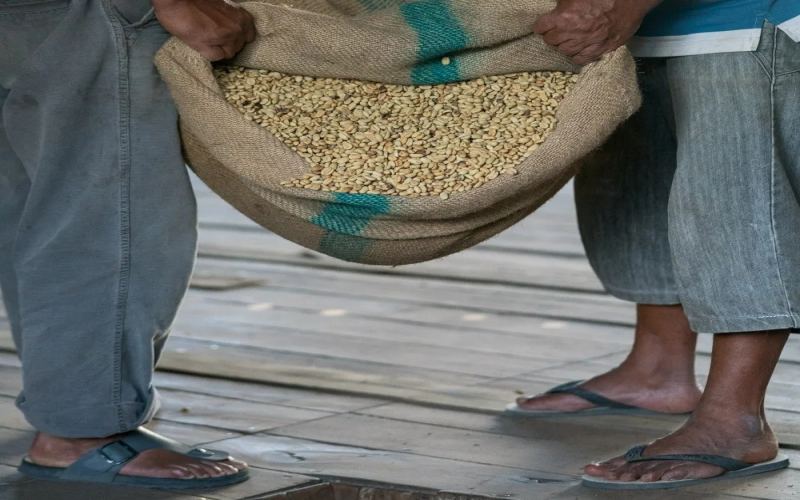
The Origin Story of Golden Mandheling Coffee | What Coffee Bean Variety Is Mandheling Ateng? Is PWN Golden Mandheling Suitable for Pour-Over Black Coffee?
The variety of Golden Mandheling coffee currently produced by PWN is Ateng, which is the local name used by Indonesian farmers; it is actually Catimor. Originally, the coffee variety grown locally in Indonesia was Typica, recognized for its excellent flavor, introduced to Java by the Dutch in the late 17th century, and [more…]
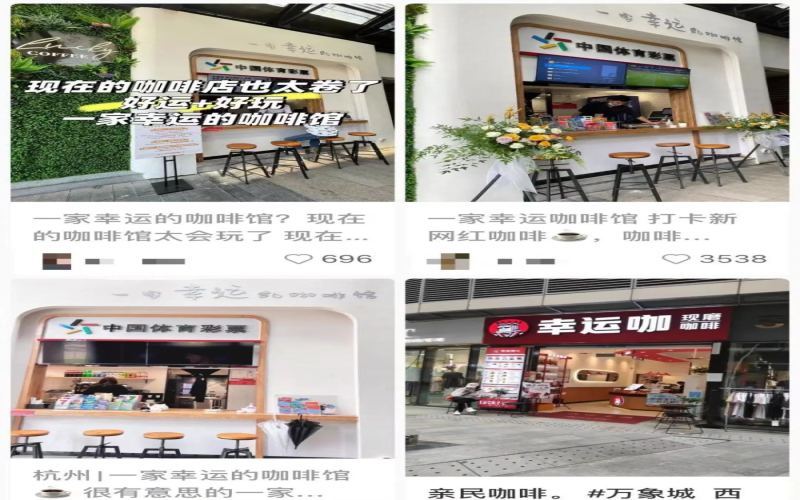
New Cross-Industry Play in the Coffee Arena: Lottery Partnerships, Brands Entering the Fray, and Ever-Intensifying Competition
Competition in the coffee market is becoming increasingly fierce, and it is already difficult to spark consumers' interest with just a latte or an Americano. From post office coffee to lottery joint stores, from sports brands to tech companies, players from all sides are entering the market, trying to attract young people's attention through cross-industry integration. A small shop in Hangzhou called "A Lucky Cafe" became popular on Xiaohongshu thanks to its combination of coffee and lottery tickets, sparking discussions among netizens about this kind of joint-operation model. In fact, as early as 2019, stores combining welfare lottery and coffee had already appeared in Shanghai. This model can not only bring consumers a fresh experience, but also help brands reduce rent and labor costs. This article will take you through the current state of cross-industry joint operations in the coffee industry and the logic behind them. [more…]
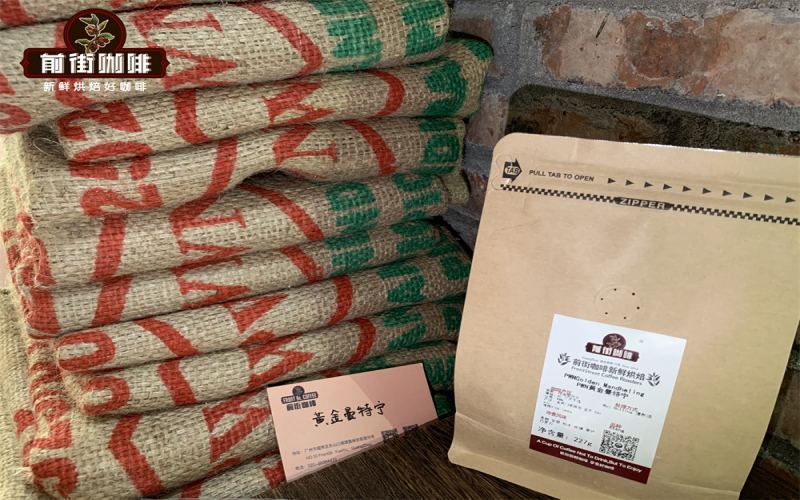
Mandheling Coffee Flavor Analysis: From Typica to Golden Mandheling – Variety Evolution and Brewing Guide
Mandheling coffee is famous for its rich, full-bodied taste and unique herbal spice aroma, but do you know the variety evolution and historical origins behind it? This article will take you deep into the planting changes of Indonesian coffee from Typica to Catimor, analyze the regional flavor that the wet-hulling process gives Mandheling, and trace the birth story of Golden Mandheling and PWN company's strict screening standards. At the same time, Front Street Coffee will share brewing techniques for Golden Mandheling, from dripper selection to parameter control, helping you fully release the rich layers of this dark-roasted coffee. Whether you are a beginner just starting out or a seasoned connoisseur, you can find a Mandheling flavor choice that suits you. [more…]
Complete Analysis of Golden Mandheling from Roasting to Brewing: A Practical Guide to Identifying Authentic PWN and Pour-Over Ratios
Golden Mandheling is a premium representative of Indonesian Sumatra coffee, but do you know why it changed from Typica to Catimor? What unique herbal and woody notes does the wet-hulling process give it? From the perspective of Front Street Coffee, this article sorts out the evolution of Indonesian coffee cultivation, tells the story of Golden Mandheling's origins with PWN and how to identify the genuine product, and shares in detail the coffee dose, coffee-to-water ratio, water temperature, and three-stage extraction steps for hand-brewing Golden Mandheling in a KONO dripper, helping you brew a cup of Mandheling that is rich and full-bodied with a finish of dark chocolate and spice. [more…]
Mantenin Ateng Bean Analysis: From Typica to Catimor Evolution and Golden Mandheling Brewing Guide
Mandheling is a classic category familiar to coffee enthusiasts, but do you know what variety Ateng, used in the Golden Mandheling produced by PWN, actually is? It is actually the local Indonesian name for Catimor. This article will start with the history of coffee cultivation in Indonesia, tracing how Typica was replaced by the more disease-resistant Ateng and Tim Tim, and will explain in detail how Sumatra's unique wet-hulling process gives Mandheling its distinctive herbal and spicy notes. At the same time, the article will also cover the origins of Golden Mandheling and its connection to the Japanese market, as well as the pour-over parameters and tasting experience recommended by Front Street Coffee, helping you gain a comprehensive understanding of the background and brewing key points of this full-bodied coffee bean. [more…]

Luckin Coffee Solemnly Declares It Has Not Opened Franchising: A Full Analysis of the Chaos Surrounding Counterfeit Stores and Fake Agents
Recently, news about Luckin Coffee opening franchises has been circulating online, drawing attention from many consumers and entrepreneurs. However, Luckin officials quickly clarified: no form of franchise cooperation is currently open, and all so-called franchise and agency information is false. From counterfeit stores in Bangkok, Thailand to scam tactics using homophone accounts, the knockoff problem keeps emerging. This article will sort out the key points of Luckin's official statement, the history of the Little Deer Tea brand's merger, and insiders' interpretation of the franchise suspension, to help coffee lovers and potential investors distinguish truth from falsehood and avoid traps. [more…]
The Complete Guide to Pour-Over PWN Golden Mandheling: From the Ateng Variety to Wet-Hulled Flavor, Front Street Coffee Teaches You How to Brew a Rich, Full-Bodied Cup
The Golden Mandheling produced by Indonesia's PWN company is a classic in the hearts of dark roast coffee lovers. Why did its variety change from Typica to Ateng? And what kind of regional flavor does Sumatra's unique wet-hulling process give it? This article starts from the history of coffee cultivation in Indonesia, sorts out the brand origins of Golden Mandheling and PWN's strict screening standards, and includes Front Street Coffee's pour-over parameters and brewing steps. Whether you are a beginner just starting out or a veteran connoisseur looking for a rich, full-bodied taste, you can find practical reference here. [more…]
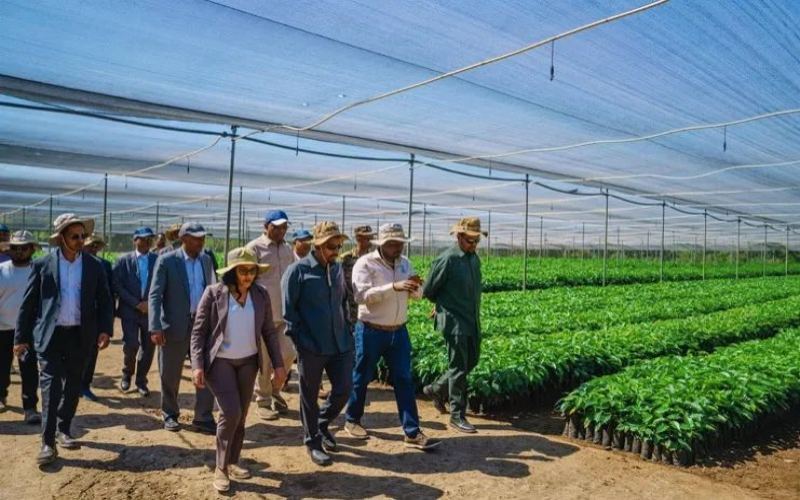
Ethiopia Aims for $2 Billion Coffee Exports in New Fiscal Year, Opportunities and Challenges Coexist
Ethiopia is striving to expand its coffee cultivation area and trade scale, aiming to achieve coffee export revenue exceeding 2 billion USD in the 2024/25 fiscal year. Over the past five years, the country has planted billions of coffee trees and introduced mechanized assistance, with export volumes in October of this fiscal year showing a significant year-on-year increase. However, the industry still faces price volatility, exchange rate risks, and uncertainties brought about by the new pricing mechanism. Meanwhile, Ethiopia and Somalia have signed the Ankara Declaration, which is expected to open up new maritime routes and alleviate logistical bottlenecks in coffee exports. This article will review the latest developments and prospects of Ethiopia's coffee industry. [more…]
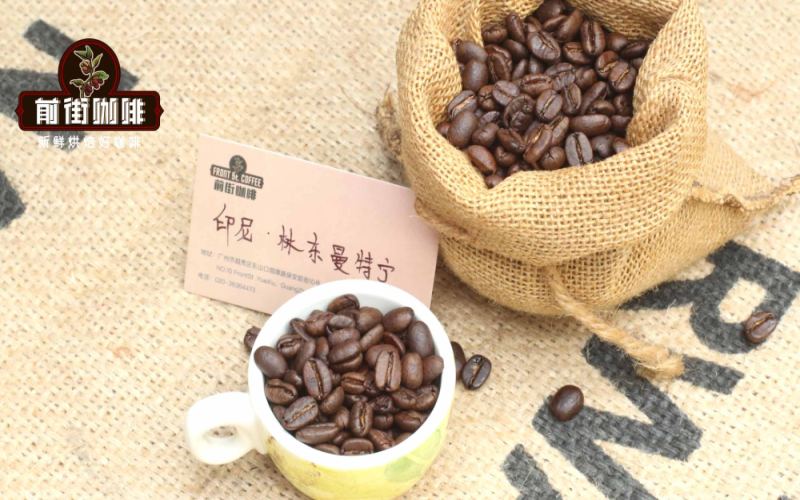
The Historical Misunderstanding Behind the Name "Mandheling" Coffee and an Analysis of Front Street Golden Mandheling's Flavor
Many people enjoy drinking Front Street Mandheling, yet may not realize that Mandheling is neither a region name nor a variety name—it actually stems from a linguistic misunderstanding during World War II. In 1942, during the Japanese occupation of Indonesia, a Japanese soldier asked a coffee shop owner in Sumatra for the name of the coffee. The owner mistakenly thought he was being asked about his ethnicity and replied "Mandailing people," and thus the name Mandheling coffee was born. This article will trace that history and analyze the flavor characteristics of Front Street Mandheling, as well as the differences between Front Street Golden Mandheling and Front Street Mandheling G1, to help coffee lovers gain a more comprehensive understanding of this classic coffee from Sumatra. [more…]
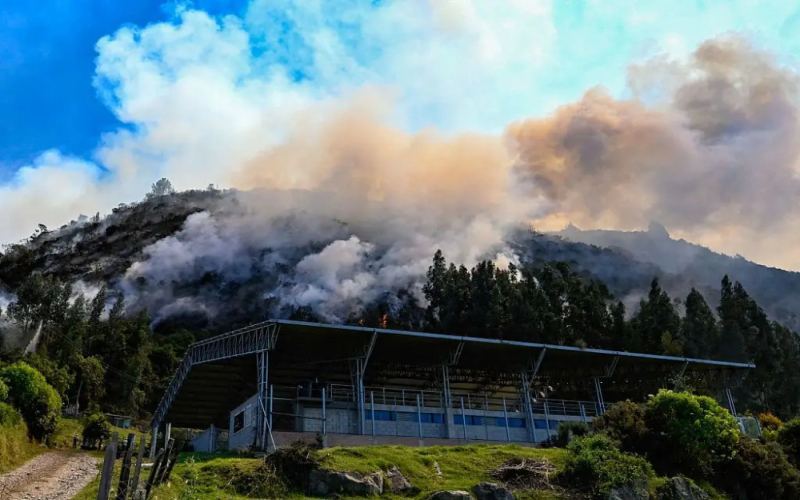
Forest fires rage in Colombia, coffee-growing heartlands face a severe test
Colombia has recently been hit by sustained high temperatures and drought, with more than 500 forest fires breaking out nationwide. President Pedro has declared a state of natural disaster. The department of Cundinamarca has been particularly hard hit, activating a public disaster emergency mechanism. Meanwhile, the fires have affected several coffee-producing regions in the central and southern parts of the country, and since March to June is the main coffee harvest season in these areas, there is widespread concern in the industry that coffee production will suffer a major blow. [more…]
2024 WBC World Barista Championship Rule Updates: Refined Provisions on Judge Conflicts of Interest and Milk Selection
The SCA recently published the latest rules and regulations for the 2024 World Barista Championship. Overall, the changes are not extensive; they mainly focus on further clarifying the wording regarding the judging process, conflict-of-interest declarations, and milk selection, while also adjusting the method for evaluating the tactile assessment of espresso. For coffee professionals and enthusiasts who follow the direction of the competition, these detailed changes may directly affect competitors' preparation strategies and judges' officiating standards. This article will sort through the key points of the rule changes one by one to help readers quickly grasp the key adjustment directions of this year's WBC. [more…]
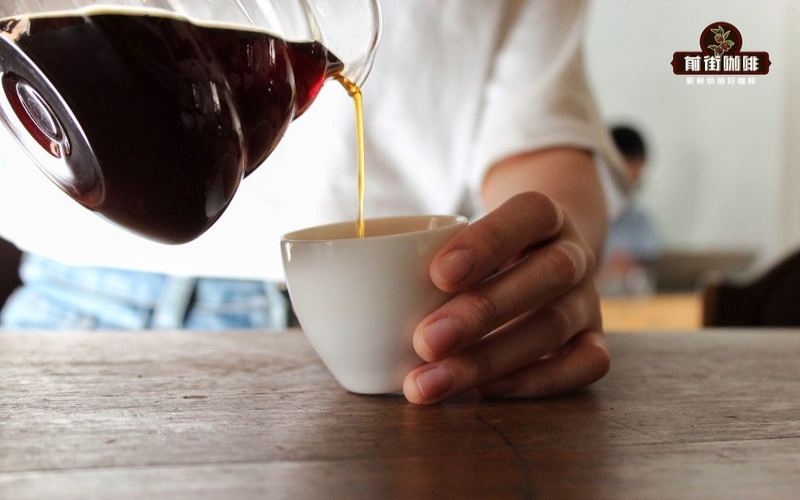
After the roast date, blends and SOE each have their own drinking calendar.
After coffee beans leave the roaster, they continue to release carbon dioxide, and their aromas are still in a phase of recombination. Freshly roasted beans do not necessarily mean better taste right away: when there is too much gas, espresso can be erratic, and the pour-over coffee bed will visibly puff up. Understanding the changes after the roast date makes it easier to plan out the drinking rhythm for a bag of beans. [more…]